


If you are looking to speed up your machining and save money on tools, you have likely heard of Dynamic Milling. Often called High-Efficiency Milling (HEM), this modern strategy changes how we remove material. Instead of taking heavy, slow cuts that stress the machine, Dynamic Milling uses “small radial engagement” at very high speeds. This guide explains how it works, why it beats conventional milling in many cases, and what you need to get started.
What is Dynamic Milling?
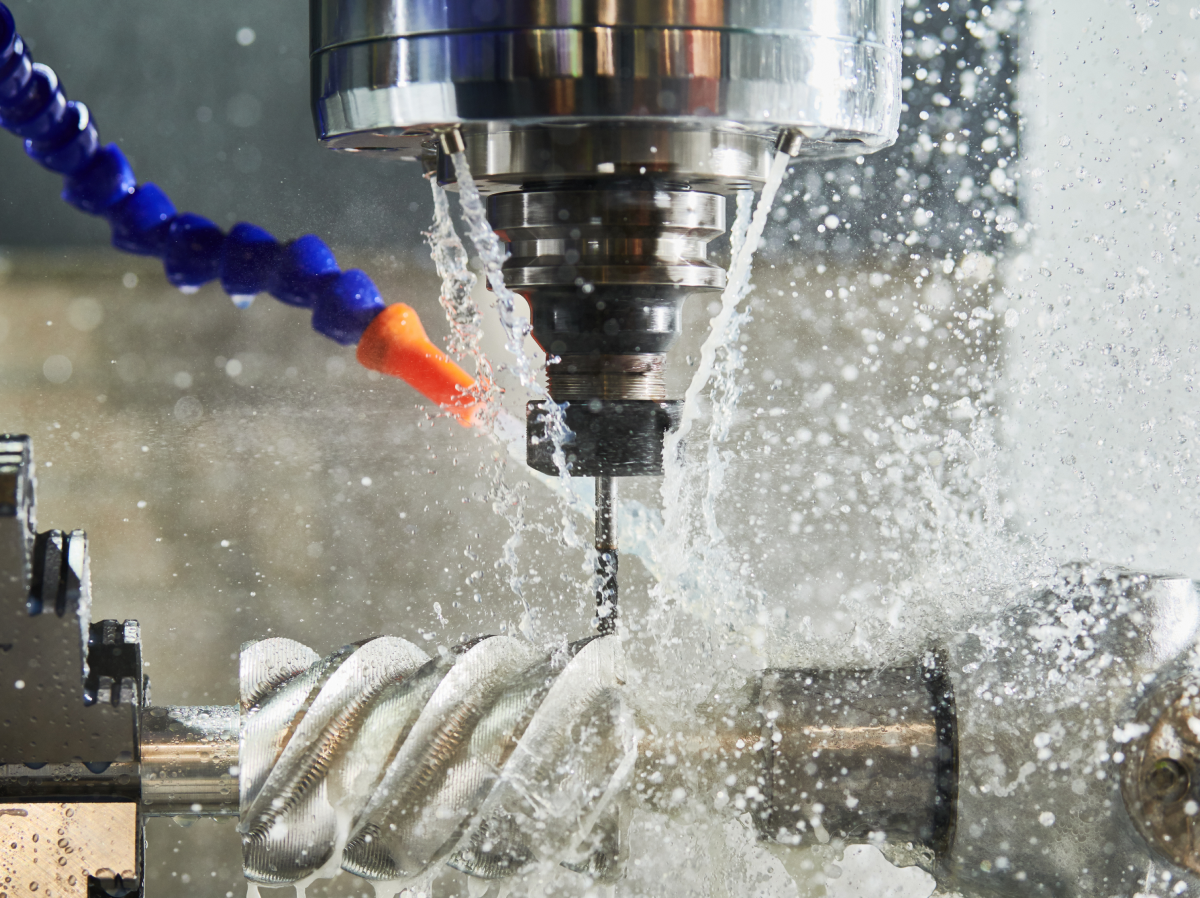
Dynamic Milling is a roughing tool path strategy that focuses on keeping a constant load on the cutting tool. In traditional milling, a tool often “slots” through material, using only the very tip of the cutter. Dynamic Milling does the opposite. It uses a small radial stepover (skimming the side of the material) and a large axial depth (using the full length of the tool’s flutes).
The Core Concept:
- Radial Stepover: Typically, only 10–20% of the tool’s diameter.
- Axial Depth: Often the full length of the tool’s cutting edge.
- The Motion: The tool moves in smooth, “trochoidal” loops or arcs. It never hits a sharp corner, which prevents the sudden “shocks” that break tools.
Dynamic vs. Conventional Milling: The Key Differences
Think of conventional milling as taking ” large radial engagement ” and Dynamic Milling as taking ” small radial engagement, very fast.”
| Aspect | Dynamic milling | Conventional milling |
| Radial Cut | Low (small stepover) | High (wide cut, slotting) |
| Axial Cut | High (full/near full flute) | Low (many stepdowns) |
| Forces/heat | Lower, more uniform | Higher, with spikes |
| Feeds/speeds | Higher, exploit chip thinning | Lower for stability |
| Tool life | Longer, more even wear along flute | Shorter, wear focused at tip |
| Programming | More complex CAM, dense code | Simple 2D paths |
| Best For | Deep pockets, hard materials, tool life | Shallow work, simple geometry, slower irons |
Why Use Dynamic Milling?
The main reason shops switch to Dynamic Milling is efficiency. Because the tool is “peeling” material away rather than hammering into it, you get several benefits:
- Faster Results: You can remove more material in less time, significantly shortening cycle times.
- Longer Tool Life: Since the heat and cutting forces are spread across the entire length of the cutter, the tool stays cool and lasts much longer.
- Machine Health: Smooth toolpaths reduce stress on your machine’s spindle, bearings, and workholding.
- Reliability: You are less likely to deal with chatter or unexpected tool breakage.

Requirements: What You Need to Start
You cannot simply “hand-code” Dynamic Milling at the machine. It requires specific software and hardware:
- CAM Software: You need a system that can generate “adaptive” or “dynamic” paths (like Mastercam’s Dynamic Motion or OptiRough).
- High-Speed Control: Your CNC machine must be able to process many lines of code very quickly to keep up with the fast, smooth arcs.
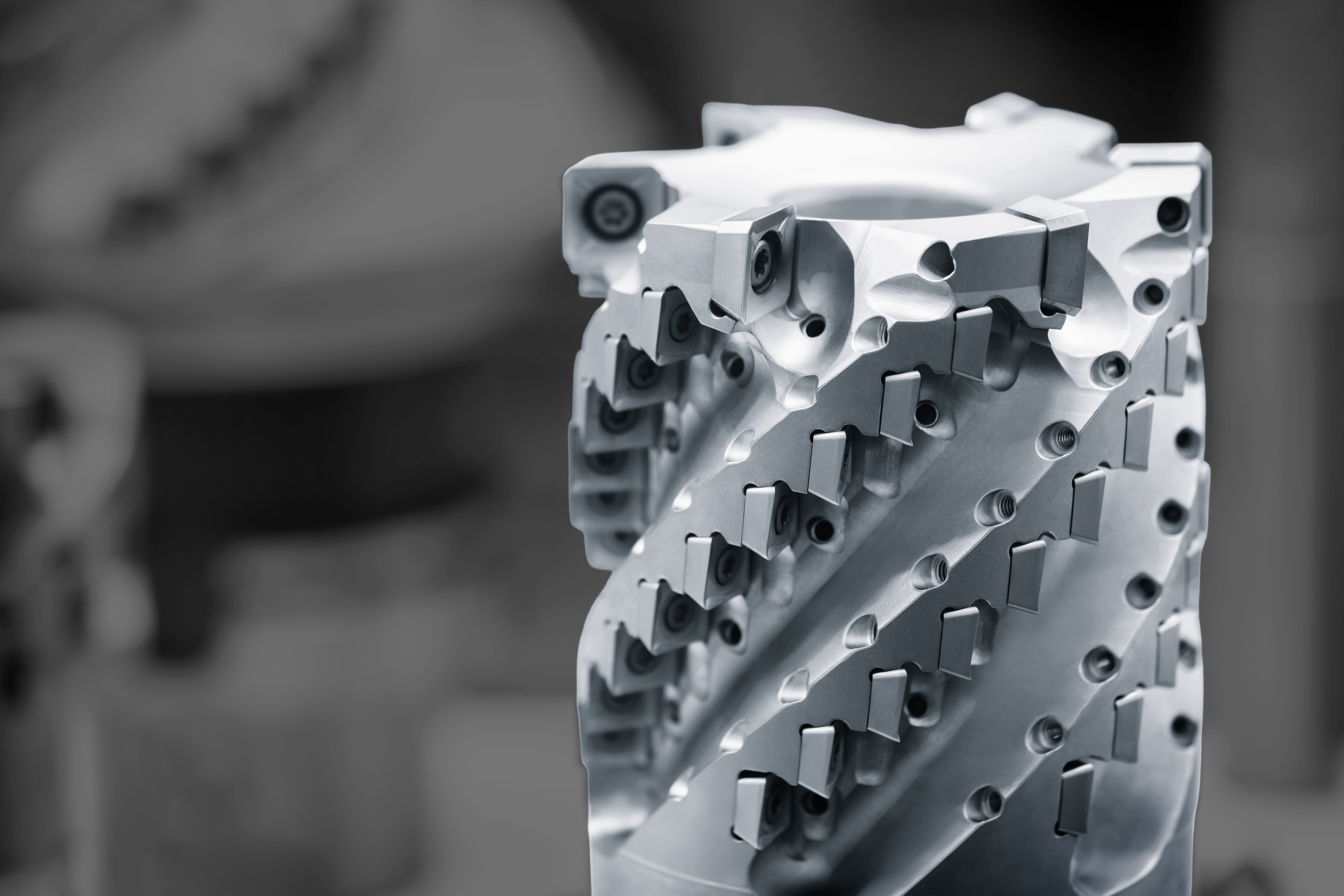
- The Right Tooling: You need solid carbide end mills with long cutting lengths (3xD to 5xD). Tools with 4 to 8 flutes and variable helix designs work best to reduce vibration.
- Rigid Holders: Hydraulic chucks or high-quality Weldon holders are recommended to prevent the tool from pulling out during deep cuts.
Is it Right for Your Shop?
While Dynamic Milling is powerful, it isn’t always the right choice.
When to use it:
- You are machining deep pockets or cavities.
- You are working with hard or “gummy” materials like stainless steel or titanium.
- You want to maximize the life of expensive carbide tools.
When to skip it:
- Very shallow cuts: If the feature is shallow, the time spent “looping” might be slower than a simple straight pass.
- Older Machines: If your CNC has an older control, it might “choke” on the dense code, causing jerky movements that can actually ruin the tool. For older machines, you should use more conservative settings and larger segments in your code.
By taking lighter side cuts and using the full depth of the tool, you can cut faster, keep your tools longer, and put less strain on your equipment. If you have the CAM software and a capable machine, dynamic milling is one of the most effective ways to improve your shop’s productivity.