


A Practical Checklist for Shop Owners
Buying a new machine is a big step for your shop, but don’t sign that p.o. just yet, read on to review a few considerations before. Preparing your shop floor before the equipment arrives keeps installation smooth, controls your setup costs, and gets your new machine making parts earlier.
Here is what you need to consider before, during, and right after your new machine purchase.
What to Consider Before You Buy
Before you finalize a machine purchase, talk to both your salesperson and your electrician.
- Power Requirements: Many machine tools run on 208 VAC or 480 VAC power. You must confirm beforehand whether your electrical system can handle the specific voltage and support the required amperage.
- If there is a will there is a way: Understand what costs will be associated with supplying power to the machine and ancillary equipment. It could be more than you think. Most times it’s not impossible but it can take time and money to add an additional power service from your energy supplier, or even an additional panel in your building.
Site Preparation Before Delivery
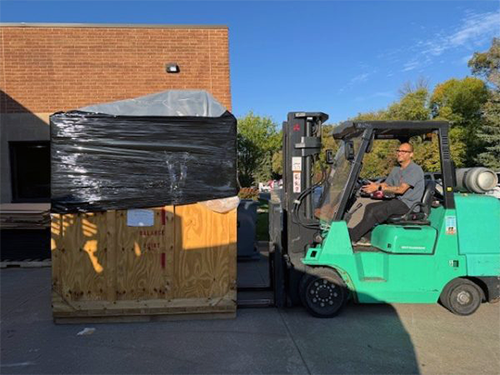
Once the machine is purchased and logistics are being handled, evaluate the exact spot where the machine’s placement will best fit your shops’ flow.
- Distance to Power Sources: Check how far the machine will be from your electrical panel. The farther your machine sits from the electrical source, the higher your costs will be to run power to it.
- Floor Condition: Check the concrete foundation at the placement location, especially in relation to any cracks in the floor.
- Thermal Stability: Temperature swings directly influence the thermal stability of a machine. Pay attention to your shop’s heating and AC ducts and avoid placing the machine near vents that blow hot or cold air directly toward it.
- Garage doors/ service entry doors can also impact thermal stability, especially in northern climates during the winter months. Shop temperature is directly linked with part tolerances.
What the Service Technician Needs During Installation
When service arrives to install the machine, they will need specific utilities and fluids on hand to complete the job:
- Connected power supply
- Compressed air connected to the machine
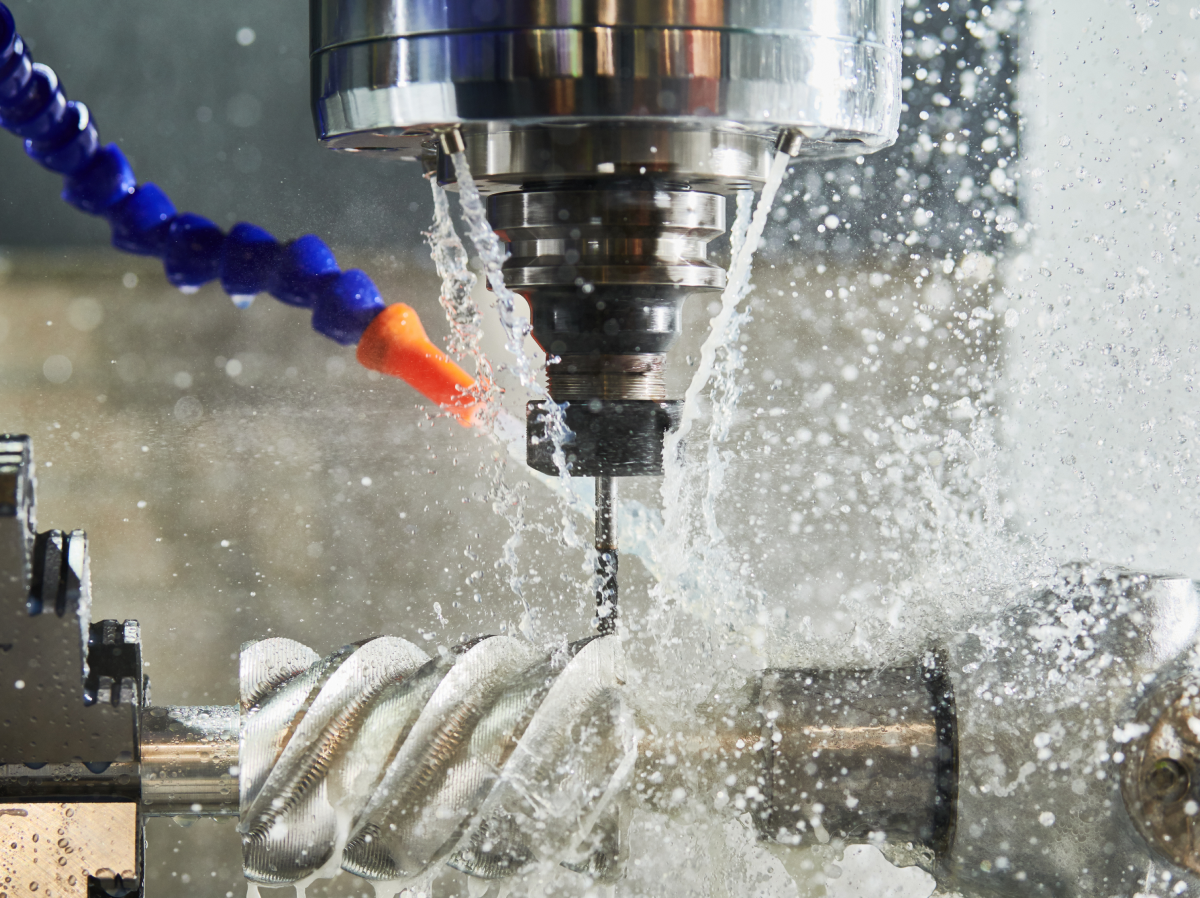
- Oils and coolant needed for installation and testing of the machine’s coolant system
- Depending on the machine size/ type/ project, the installation could take a few weeks to a few hours. Make sure to understand the scope of the installation to ensure you’re ready to start setting up the machine.
Outfitting the Station for Day-One Production
Having the machine installed is only part of the process. To start running production after installation, make sure you have these items lined up and ready at the workstation:
- Inspection Equipment: Quality tools to check and measure parts after they come off the machine.
- Air Guns: A dedicated air setup so operators can blow off parts.
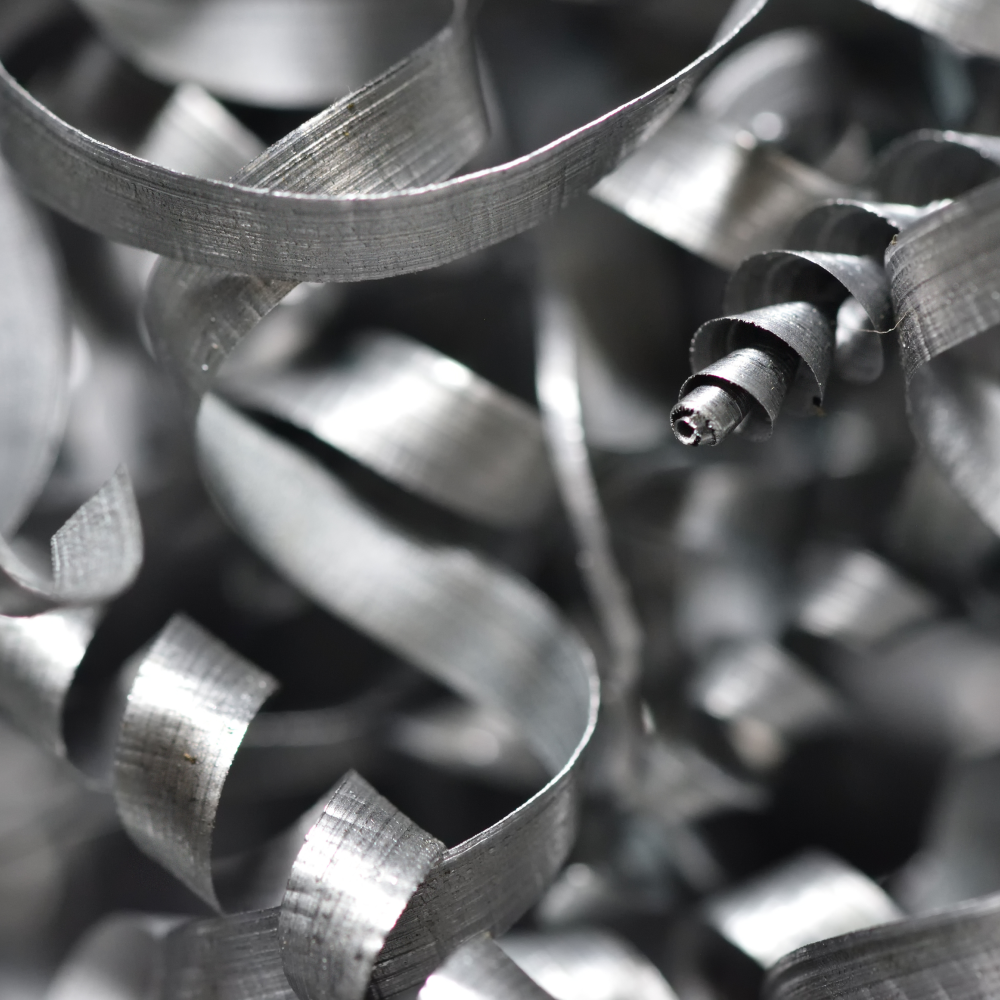
- Chip Management: Chip hoppers positioned to catch and handle waste material.
- Tools and Supplies: Relevant hand tools for adjustments, along with basic cleaning supplies and garbage cans to keep the area clear.
- Operator Comfort: Floor mats placed at the machine for daily use.
Have questions about your setup? Reach out to our team of experts today.