


In CNC machining, small changes in how a tool moves can make a massive difference in the quality of a finished part. One of those critical movements is axis oscillation.
If you want better surface finishes and heat management, or smaller chips, understanding axis oscillation is key.
Defining Axis Oscillation
Axis oscillation is a programmed back-and-forth movement around a central position, forming a controlled, reciprocating path between two points.
In a CNC context, this isn’t an accident or a sign of a loose machine; it is a deliberate, high-speed reversing motion used to make the most out of the cutting grinding process.
How It Works in Grinding and Cutting
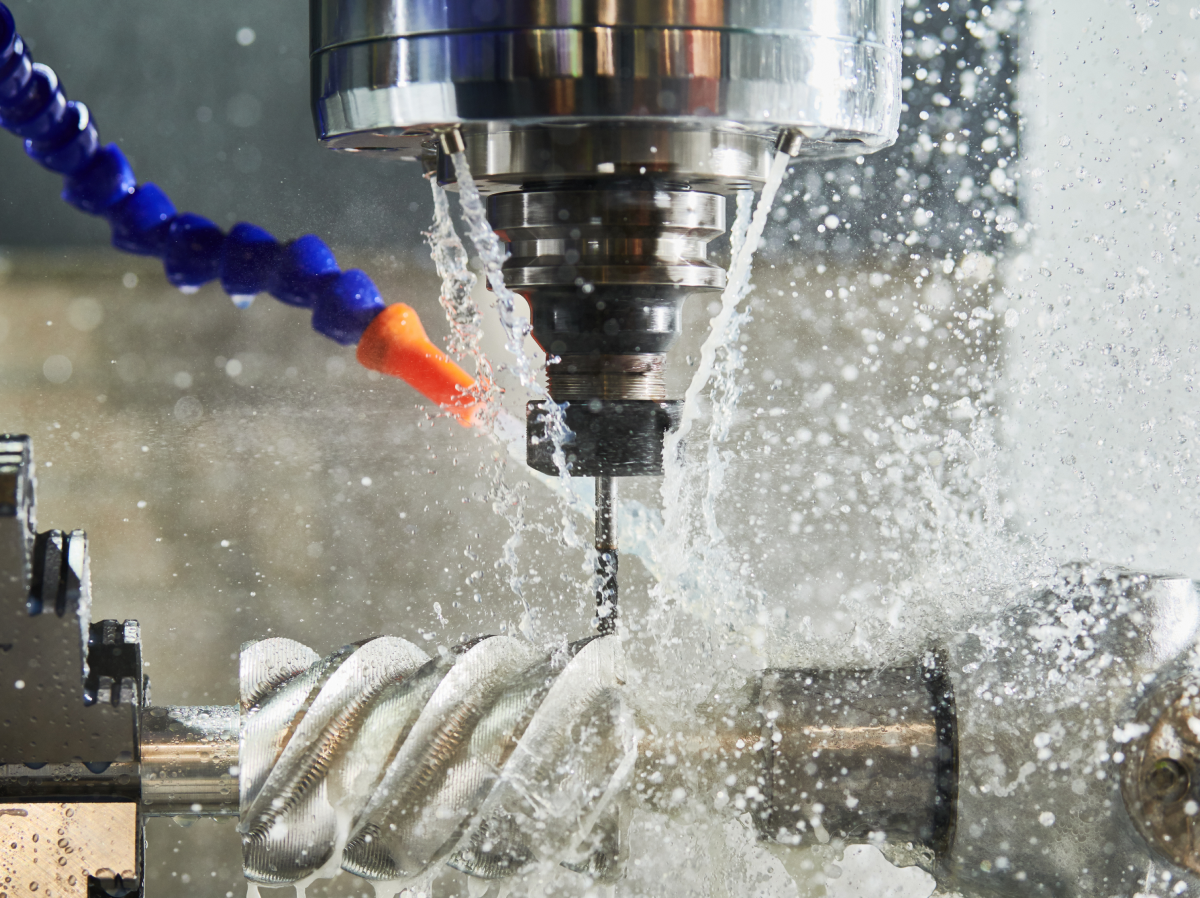
Axis oscillation is usually found in grinding applications, such as surface, cylindrical, or centerless grinding. By moving the table or spindle axis back and forth while the tool is engaged, the machine changes the contact conditions between the wheel and the workpiece.
Common Applications
- Plunge Grinding: Used during the “spark-out” phase to reduce vibrations and prevent waviness on the part surface.
- Surface Grinding: Helps distribute wear evenly across the grinding wheel, keeping finish quality consistent for longer runs.
- Centerless Grinding: Operators tune the oscillation to minimize chatter and improve the geometric accuracy of the part.
- Hard-to-Grind Materials: For materials that retain heat, the back-and-forth motion prevents the tool from staying in one spot for too long.
The Benefits of Oscillation Cutting
When a machine uses oscillation during a cut, it creates periodic interruptions. This “stop-and-start” physics offers several mechanical advantages:
1. Superior Chip Breaking
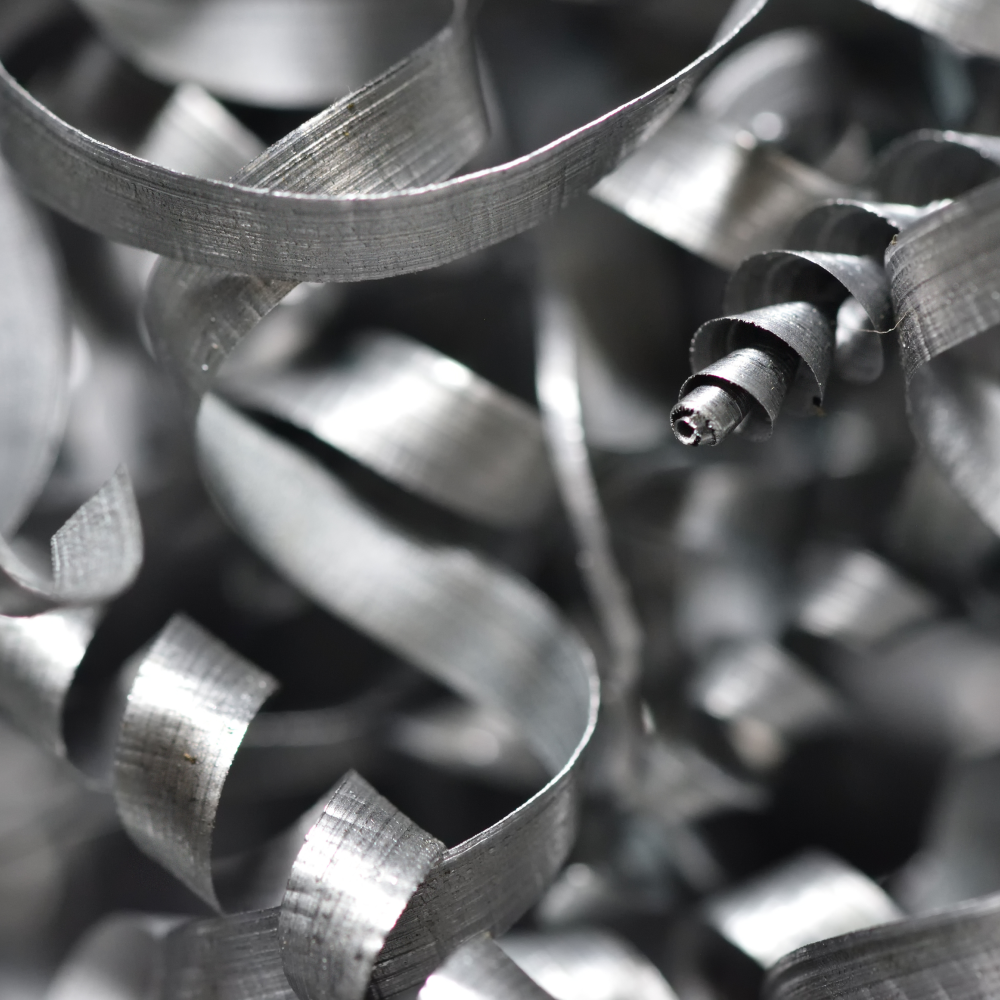
One of the biggest annoyances in machining ductile materials like stainless steel or copper is the “bird’s nest,” which are long, stringy chips that wrap around the tool. Oscillation breaks these into small, manageable pieces, making unattended production much safer.
2. Lower Heat Levels
Because the tool is not in continuous, heavy contact, heat has a chance to dissipate. This is vital when working with “gummy” or heat-sensitive metals like Titanium, Inconel, and Hastelloy.
3. Better Tool Life
Reducing heat and preventing chip entanglement means less wear and tear on your cutting edges. This leads to fewer tool changes and more “green light” time for your machines.
Finding the “Sweet Spot”
While axis oscillation is powerful, it does add complexity to your setup. The goal is to find a balance where the oscillation helps break chips without negatively affecting the cycle time or the final surface look.
Practical Tuning Tips
If you are experiencing vibration or chatter, consider these steps:
- Reduce Aggressiveness: Lower your depth of cut and feed rate first to see if the vibration settles.
- Adjust RPM: Small changes in RPM can shift the harmonics of the machine and stop chatter.
- Prioritize Rigidity: Ensure your work support are correct; oscillation works best when the machine base is rigid and stable.
By moving a machine axis in a controlled, reciprocating motion, shops can overcome the challenges of heat, vibration, and poor chip control. Whether you are grinding precision bearings or cutting aerospace-grade titanium, mastering this motion can lead to a more stable and productive manufacturing process.