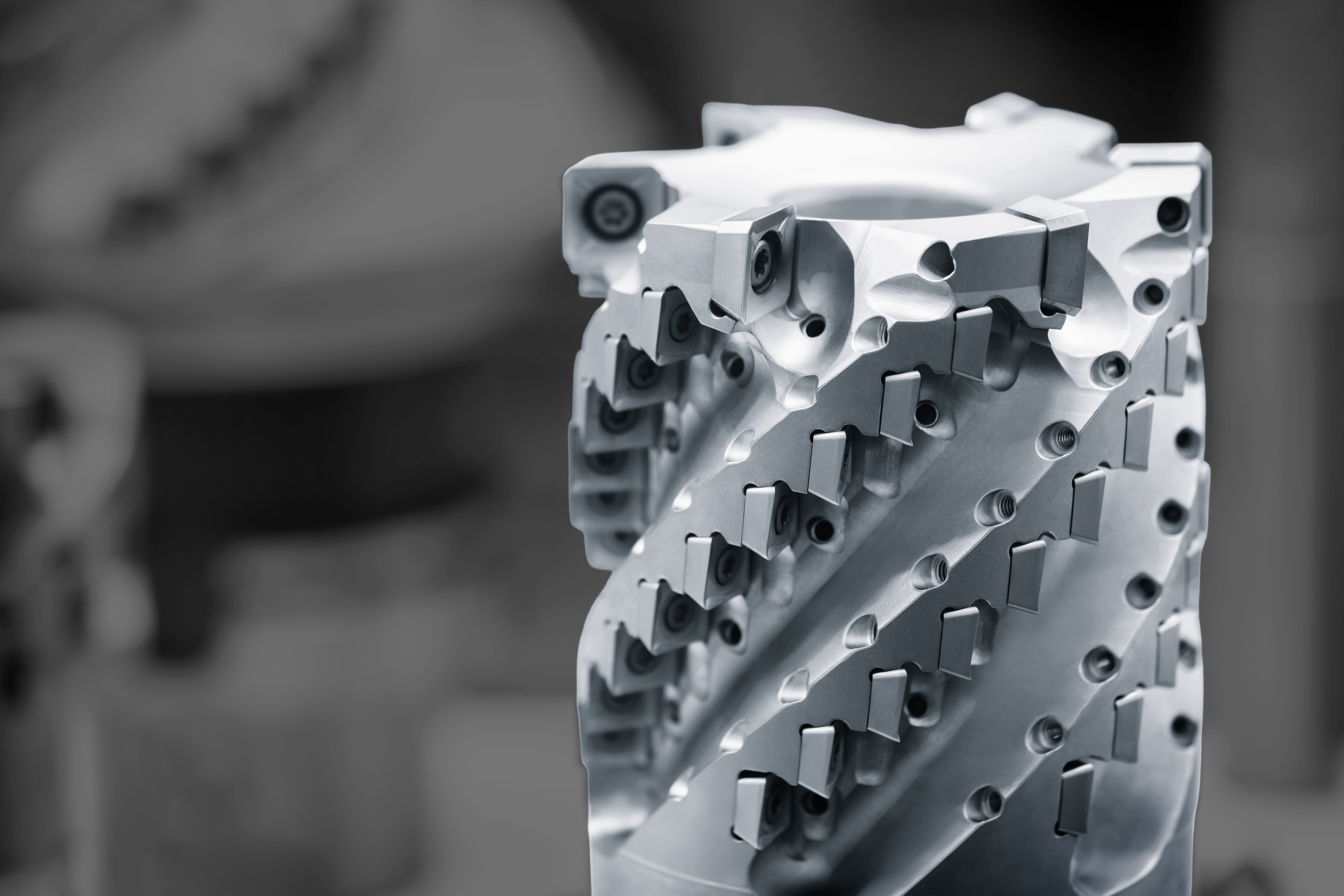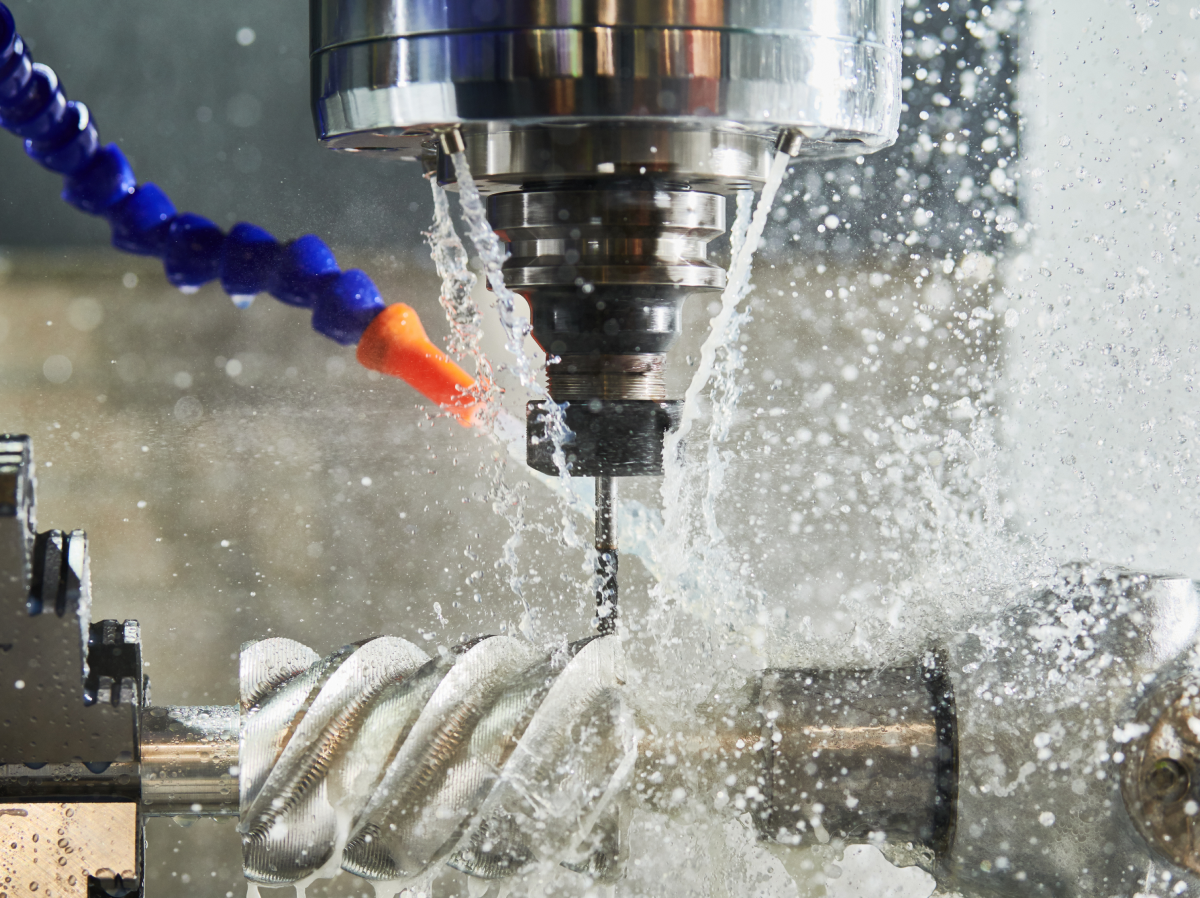



Choosing the right tool for a CNC job often comes down to one question: how do you stop the vibration? If your machine is “singing” or leaving a poor finish on a stainless-steel part, the solution might be a variable helix end mill. Here is everything you need to know about what these tools are, how they work, and when they are worth the investment.
What is a Variable Helix End Mill?
In a standard end mill, the helix angle—the twist of the flutes—remains constant along the full length of the cutting edges. A variable helix end mill is different. It features continuously changing helix angles the full length of the cutting edges. While the variation in degrees may seem minor, it fundamentally changes how the tool performs with the material during cutting. Helix endmills will greatly reduce or eliminate harmonics generated in the cutting process.
How It Works: Breaking the Rhythm
Think of a standard end mill like a drummer hitting a snare drum at a perfectly steady beat. If that beat matches the natural vibration of your setup, the noise and shaking (chatter) get louder and louder. A variable helix tool breaks that rhythm. Because each flute hits the material at a slightly different angle and time, the cutting forces don’t line up. This prevents harmonics from building up, effectively quieting the cut and keeping the tool stable.
Why Choose a Variable Helix Tool?
Machinists typically move away from constant helix tools when they need more “forgiveness” in their setup.
The primary benefits include:
- Reduced Chatter: This is the biggest selling point. It is especially helpful for long-reach tools or setups that aren’t perfectly rigid.
- Superior Surface Finish: Because the tool isn’t bouncing or vibrating as much, the “scallops” or marks left behind are much smoother.
- Longer Tool Life: Vibration is a tool killer. By spreading the load more evenly and reducing chatter, the cutting edges stay sharp longer.
- Higher Performance: These tools often allow for higher speeds and feeds because they can handle the heat and force without losing stability.
Variable Helix vs. Constant Helix
| Variable Helix | Constant Helix | |
| Best For | Difficult materials, thin walls, long reach or long tool overhang. | General purpose, stable setups, simple cuts. |
| Vibration | Actively disrupts and reduces chatter. | Can reinforce vibration in some setups. |
| Cost | Usually higher due to complex geometry. | Lower and more budget friendly. |
| Geometry | Changing angles on each flute. | One consistent angle for all flutes. |
When Should You Use It?
You don’t always need a variable helix tool. If you are milling an easy-to-cut material like mild steel on a very rigid machine, a standard constant helix tool is often cheaper and works perfectly fine.
Choose variable helix end mills when:
- Working with Difficult Materials: They are the “gold standard” for stainless steel, titanium, and heat-resistant superalloys (HRSA).
- Machining Thin Walls: If the part itself is prone to vibrating because it’s thin, the variable helix helps keep the cut steady.
- High-Performance Milling: When you want to push your cycle times and need a tool that can handle aggressive speeds.
- Finish Matters: If you need a “mirror” finish or are working on finish-critical parts where any tool mark is a fail.
The Practical Rule of Thumb
- Use Variable Helix for: Chatter, thin walls, difficult alloys, and high-performance production work.
- Use Constant Helix for: General milling, rigid setups, and cost-sensitive jobs where the tool is already running smoothly.
While variable helix end mills come with a higher price tag, they often pay for themselves by preventing scrapped parts and reducing the time you spend fighting vibration at the machine.