


Tungsten carbide, vital to your shop, is now six times more expensive, and pricing is increasingly unpredictable.
For decades, the industry treated carbide like steel or aluminum, assuming prices would stay stable. However, in 2025, a combination of Chinese domestic policy changes, trade tensions with the U.S., and a massive surge in demand from the electric-vehicle and defense sectors sent prices soaring. You can learn more about the cause of this price increase by watching this video from Scientific Cutting Tools.
The reality? You cannot easily substitute carbide, nor can you find a new source overnight. However, you can change how you manage it. Here is how your organization can adapt to this new era of increasing carbide tooling costs.
Technical Note: Machining wear relationship — Tool life decreases at a known rate as cutting speed increases. If you raise the speed, the tool’s usable time drops in a consistent, measurable way.
1. Move to Regrinds and Exchangeable Heads
If you are throwing away solid carbide tools once they get dull, you are throwing away money.
- Regrind Solid Tools: When the geometry allows, send your solid carbide end mills and drills to be reground. This shifts your costs from expensive raw materials to more manageable labor costs. Here at Productivity, we can help you with this email us at repair-resharpen@productivity.com.
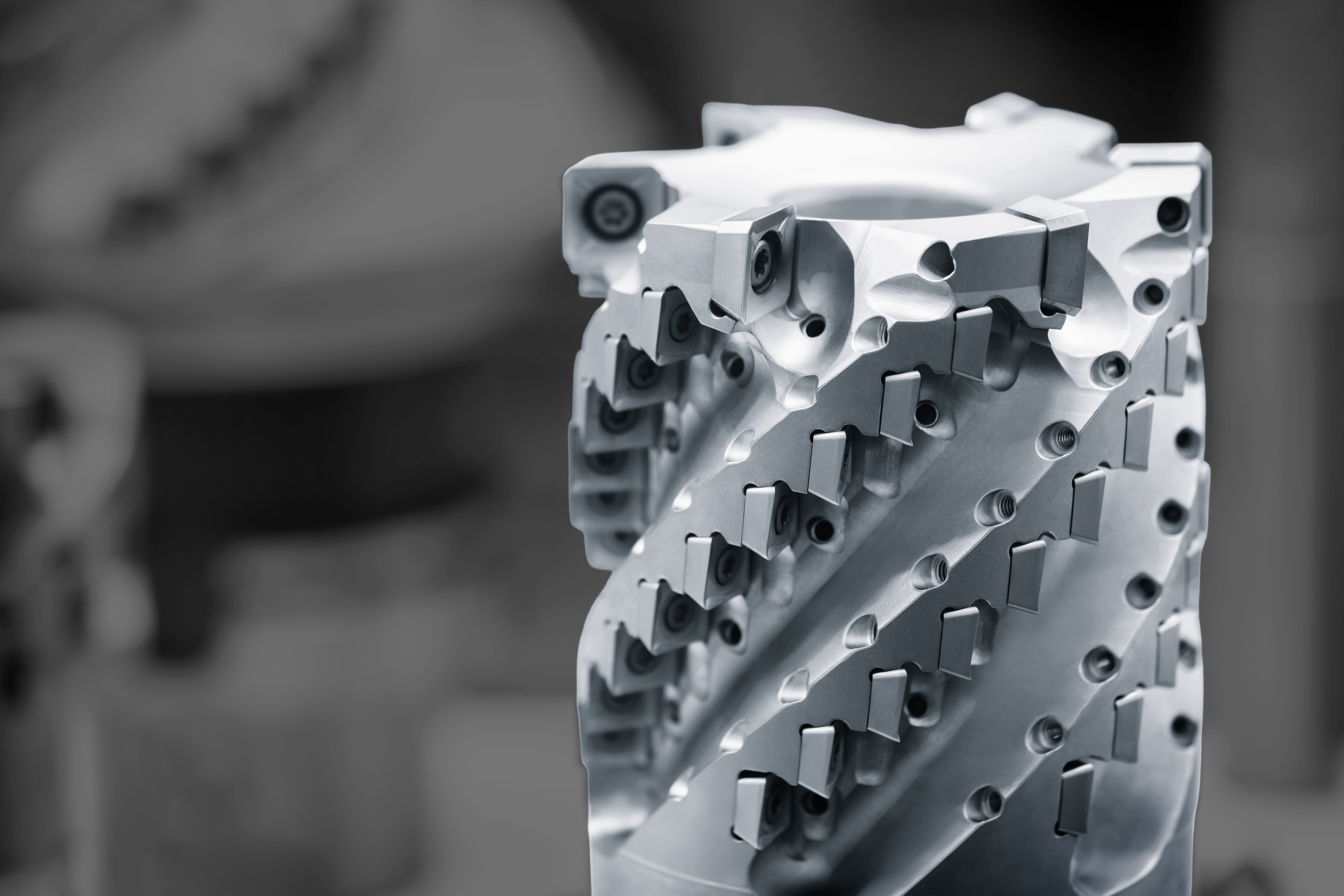
- Switch to Inserted Tooling: Instead of using a solid carbide body, move to indexable inserts or exchangeable head tools. This way, when the cutting edge wears out, you only replace a small piece of carbide rather than the entire tool shank.
2. Use Alternatives Where They Make Sense
Carbide is a mainstay, but it is not always your only choice. Depending on your application, you might save money or improve efficiency by switching to alternatives. For high-speed finishing cuts, ceramics and cermets offer both heat resistance and can handle abrasive materials. Coated tools can further increase tool life in various operations. In non-ferrous applications, polycrystalline diamond (PCD) and cubic boron nitride (CBN) inserts provide exceptional wear resistance and edge retention. Always evaluate the requirements of your materials and processes to determine where these alternatives may reliably replace carbide.
Feel free to lean on our Tooling department for help with your evaluation.
| Material | Best Use Case | Benefit |
| Ceramics | High-speed cutting of hard materials. | Heat resistant; handles extreme speeds. |
| PCD / Diamond | Aluminum, composites, and non-ferrous. | Lasts much longer than carbide in specific tasks. |
| Cermets | Finishing cuts for a better surface. | Great balance of wear resistance and finish. |
3. Strategic Buying: Have a Plan, not a Panic
“Buying ahead” only works if you do it with a strategy. If you just hoard random tools, you tie up cash that your shop needs for operations.
The Three-Bucket Rule: Separate your tools into three groups:
- High-Volume Consumables: These are your “bread and butter.” Focus on regrinds and volume discounts here.
- Critical Slow-Movers: Tools you need for specific jobs but don’t use daily. Keep a small “safety stock” of these.
- Specialty Tools: Redesign your processes so one tool can do the work of two.
4. Turn Your Scrap into Cash
Carbide scrap has become a meaningful revenue source. With new tungsten supply tight — China controls over 80% of global tungsten and activated strict export controls in January 2026 — recyclers are paying significantly more for what used to be considered waste.
- Keep it clean: Separate carbide from steel, and other metals. Clean, sorted scrap commands a much higher price than mixed or contaminated material.
- Cash value: Pricing has moved sharply upward. Tungsten carbide scrap prices have surged over 200% since early 2024, with most of that move concentrated in 2025 and early 2026.
- Reputable Recycle Option: Kennametal’s Carbide Recycling Program
The New Math of Machining
The days of cheap, “set it and forget it” carbide are over. To stay competitive, you must treat your tools as a high-value asset rather than a disposable commodity. By optimizing tool life, embracing regrinds, and reclaiming value through scrap, your shop can thrive even as prices remain at this new, higher plateau.
Your first step: Identify your top five carbide spend items today and see if they can be reground or converted to an insert-style tool.
If you have any questions, contact us today about how Productivity can assist you with navigating this new Tooling environment.