


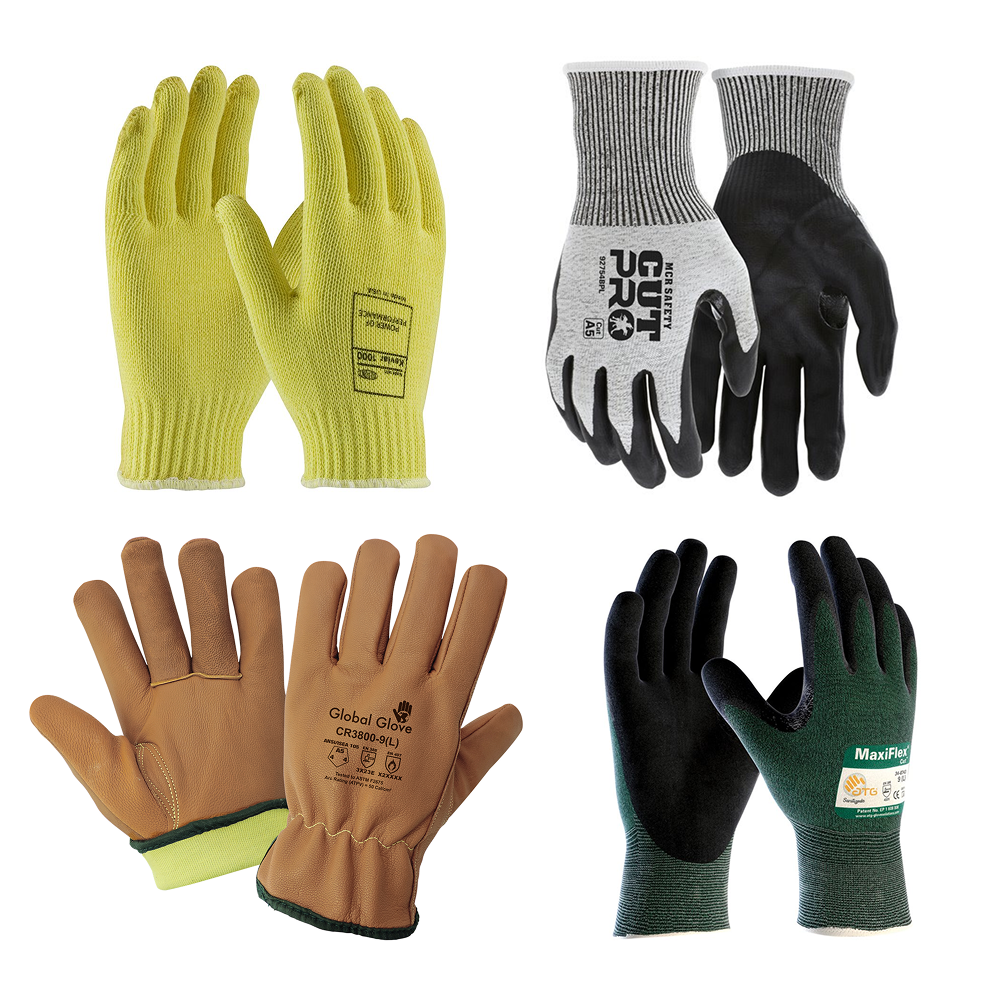
When it comes to hand safety, matching your glove to the specific job is the most important step. Many people look for a specific brand first, but the best approach is to pick the glove by the hazard, not the brand.
Before choosing your glove, remember that for most everyday tasks, a mid-level cut glove with good dexterity offers the best balance. While it might seem tempting to buy the highest level of protection available, more protection usually means less feel and flexibility. Therefore, choosing higher cut levels is only necessary when the job truly demands it.
The Simple Rule of Thumb for ANSI Cut Ratings
In the U.S., cut resistance is measured using ANSI/ISEA levels ranging from A1 to A9. These ratings are based on the force in grams required to cut through the material. A1 represents the lowest level of protection, while A9 is the highest.
| ANSI Cut Level | Risk Category | Typical Tasks and Applications |
| A1–A3 | Light Risk | Handling cardboard, packaging, light assembly, and small parts. |
| A4–A5 | Moderate Risk | Sharp metal edges, aluminum handling, general assembly work. |
| A6–A7 | Heavy Risk | Stamped metal, slitter blades, and tougher industrial handling. |
| A8–A9 | Extreme Risk | Heavy sheet metal and handling heavy plate glass. |
Key Features: What to Look for in a Cut Glove
Cut gloves or cut-resistant gloves help protect your hands from cuts and slashes when working with sharp tools or materials. They reduce the chance of a blade or sharp edge reaching your skin, but they do not make your hands cut-proof. A higher-rated glove protects better, but it can still be punctured, torn, or cut under excessive force.
To find the right glove for your workplace, evaluate these four key factors:
- Fit: Your gloves should be snug but not tight. Loose gloves reduce your control and make handling parts unsafe.
- Material: High-performance cut-resistant materials provide the most significant protection. HPPE (High-Performance Polyethylene) fibers use ultra-high-molecular-weight polyethylene to offer excellent cut and abrasion resistance without sacrificing hand movement. Aramid fibers (like DuPont™ Kevlar®) are strong, lightweight synthetic fibers that provide exceptional cut and puncture resistance. While HPPE and para-aramids are common for maintaining dexterity, adding steel or wire improves cut resistance but usually reduces flexibility.
- Coating: A nitrile or polyurethane palm coating helps your grip, especially when doing dry or lightly oily work.
- Needlestick and Stab Risk: Cut gloves are not the same as puncture protection. Do not assume a cut-resistant glove covers both hazards automatically.
Selecting Gloves for Machine Shops and Fabrication
In a machine shop or fabrication environment, choosing a glove depends entirely on what you are handling and how much finger control you need.
A Quick Guideline for Machine Shops
- A1-A3 gloves: Ideal for machine setup work where fine feel and touch matter more than maximum cut resistance.
- A4-A5 gloves: A great default for general handling of deburred parts, sheet stock, and moderately sharp edges.
- A7+ gloves: Best for rough stamped parts, sharp sheet metal, or when the edge hazard is severe.
What else matters
Cut rating is only one part of glove choice. Grip, fit, puncture resistance, and whether you need oil resistance or impact protection can matter just as much in a shop setting. A glove that is too bulky may protect well but make the work harder and less safe if it reduces control.
Keep your team safe on the job. Visit our online store to explore our full selection of high-quality, cut-resistant gloves.
Have questions or need a custom recommendation? Reach out to our sales team today. We’re here to help!