If you manufacture long, slender components like orthopedic bone screws, lead screws, or specialized aerospace parts, standard threading methods may not meet your needs. Deflection, chatter, and tool wear slow down production and will hurt your bottom line. This is where thread whirling helps.
Thread whirling is a high-productivity threading process designed specifically for challenging, high-length-to-diameter parts. While it requires specialized equipment and setup, it does lead to better thread quality made faster. Here is a breakdown of how it works, its main benefits, and how to know if it belongs on your shop floor.
How Thread Whirling Works
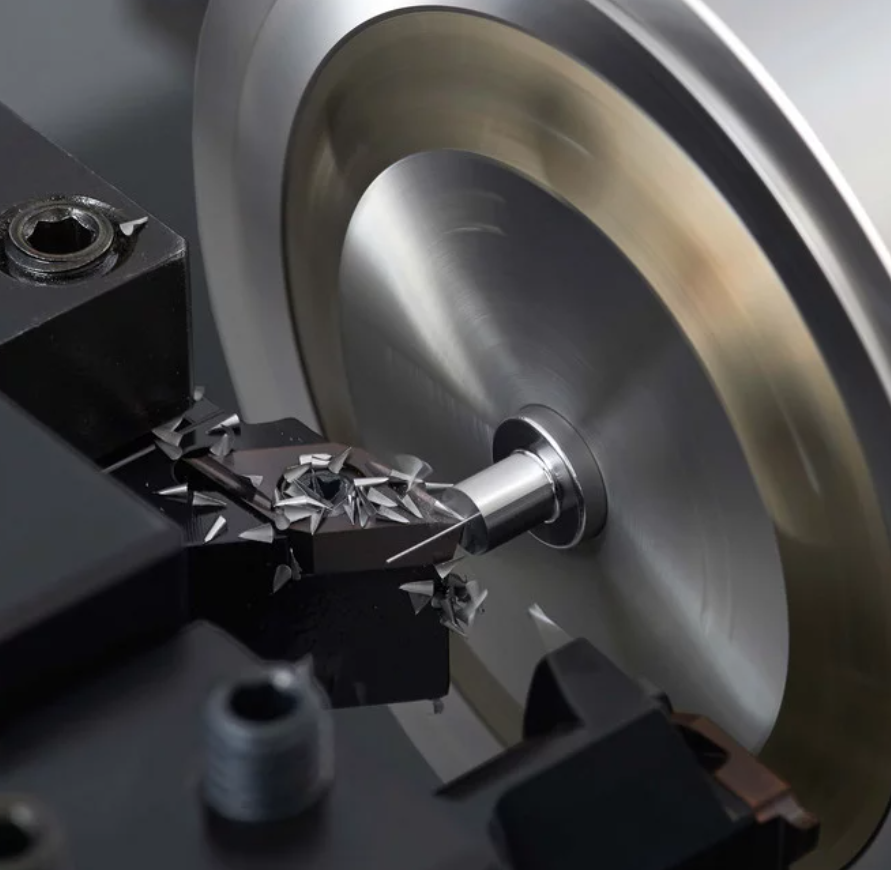
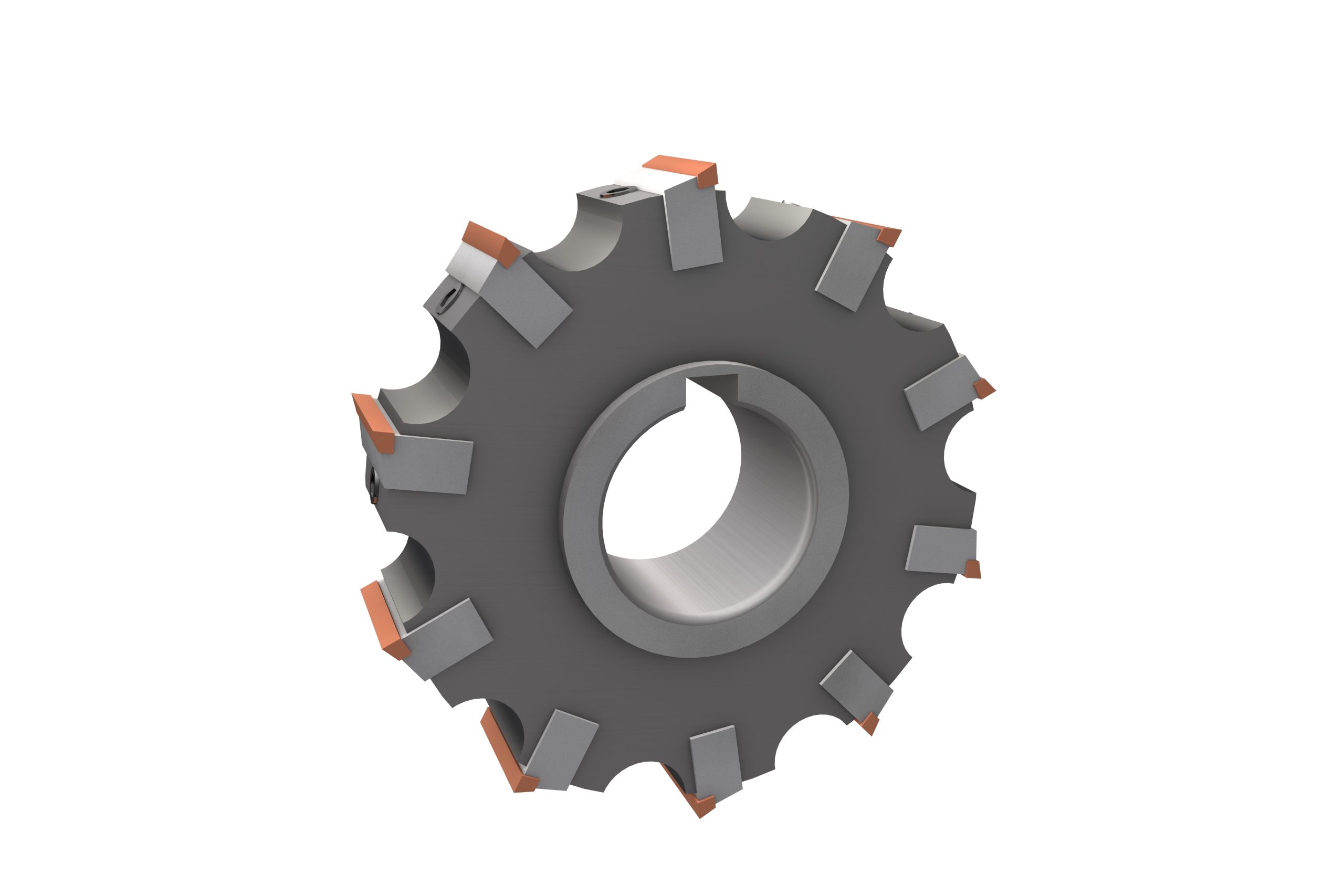
Think of thread whirling as an external thread-milling process. Instead of using a single-point insert to cut the thread, it uses a ring-style cutter head loaded with multiple profiled carbide inserts.
The cutter head is tilted to match the required thread helix angle. It rotates at very high speeds around a slowly rotating workpiece. As the tool feeds axially along the part, it cuts the thread. In many cases, it cuts the full thread directly from the stock diameter in a single pass.
When done on a CNC Swiss-type lathe, the whirling attachment sits right next to the guide bushing. This provides incredible support exactly where the cutting happens.
The Main Benefits of Thread Whirling
1. Single-Pass Machining
With traditional single-point threading, you often need multiple roughing and finishing passes. Thread whirling can typically generate a full thread from the bar’s outside diameter in just one pass. On long threads, this cuts your cycle times drastically.
2. Built for Long, Slender Parts
Because the cutting happens close to the guide bushing and the whirling head supports the work, bending and vibration are nearly eliminated. This makes it ideal for long, thin parts where standard turning would cause the material to push away from the tool.
3. Handles Deep and Complex Forms
If you need to cut deep multi-start, variable-pitch, or high-helix forms, single-point threading can be slow and unstable. Thread whirling cuts these complex geometries easily.
4. Better Tool Life and Feed Rates
Because multiple cutting edges share the work, you can push the feed rates higher. Each insert takes an intermittent, lower chip load. Plus, the inserts themselves are mechanically stronger than single-point tools.
5. High-Quality Surface Finishes
The evenly distributed teeth leave behind smooth, consistent thread flanks and roots. When set up right, you can often achieve burr-free or burr-minimized results.
6. Conquers Difficult Materials
Medical and aerospace components often require titanium, implant-grade stainless steel (like 316L or cobalt chrome),17-4 for non-implantable or nickel alloys. These materials generate a lot of heat and easily deflect during conventional turning. Thread whirling manages these tough materials effectively.
7. “Done-in-One” Setups
On a properly equipped Swiss lathe, you can turn, mill, drill, thread whirl, and cut off the part in a single handling. You don’t have to move the part to a secondary machine.
Where Thread Whirling Wins (The Shop Floor Rule)
How do you know when to use it? Thread whirling makes sense when your part has several of these traits:
- The threaded section is long compared to its diameter.
- The thread is deep compared to the core diameter.
- The helix angle is steep.
- The material is tough or has stringy chips that need chip control (titanium, superalloys).
- Your production volume justifies the upfront setup costs.
If you are making a short, standard 60-degree thread (like a 1/4-20) on a rigid steel part, stick to standard single-point threading, rolling, or die-cutting. But if you are quoting a 1 to 10 mm diameter implant screw with a deep buttress form in titanium, thread whirling will save you time and reduce scrap.
Challenges and Limitations to Consider
Thread whirling is highly effective, but it is not a casual setup. Before taking on a job, be aware of the hurdles:
- Machine Requirements: Your machine needs a C-axis or servo-controlled main spindle. The workpiece must rotate at very low, precise speeds while the cutter head runs at high RPMs. You also need high-pressure coolant to clear chips and prevent tool wear.
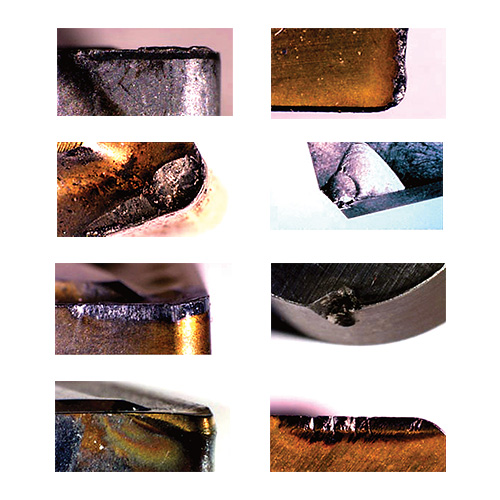
- Custom Tooling: Whirling inserts are often custom form-ground for your specific thread profile. This means longer lead times and higher costs for tooling. Changing tools also requires careful balancing and runout control.
- Process Stability: Because it is an interrupted cut, chatter can happen if your setup lacks rigidity, your angles are wrong, or your inserts are worn out.
- Programming Complexity: You need CAM software or proven control macros that understand the synchronization between the cutter speed, main spindle rotation, and axial feed.
Adding thread whirling capabilities changes your cost structure. You will face higher upfront costs for the attachment, custom tooling, and setup time.
However, the per-part time drops significantly, and part consistency goes up. The real question to ask before quoting a job is this: Will the saved cycle time, longer tool life, and elimination of secondary operations pay back the upfront investment? If you are running complex, slender parts in tough materials, the answer is usually yes.
Have questions about thread whirling? Reach out to our Applications Engineering Team today to determine if it’s the best fit for your manufacturing setup.