Most machine purchases that disappoint don’t fail on the spec sheet. They fail because the machine was chosen for its brochure instead of the work it will actually run. After decades of helping manufacturers specify, install, and support CNC machining centers, we’ve found the best purchases start with the part, not the machine.
Start With the Work
- Part mix and envelope: Size for your largest part plus fixturing and tool clearance but weigh it against the parts you run every day. Buying capacity for a once-a-year job can mean a larger, slower machine for the rest of your work.
- Materials and tolerances: High-speed aluminum work and heavy cutting in stainless or titanium call for very different spindles and structures.
- Volume and setups: High-mix shops win on fast setups and probing. High-volume production wins on cycle time and automation. If a part takes three or four setups on a 3-axis machine, a 4th axis or 5-axis machine can pay for itself in reduced handling and tolerance stack-up.
A time study on your actual parts is the most valuable document in the buying process. Ask for one before you compare quotes.
Choose the Right Configuration
- Vertical machining centers (VMCs): The most versatile and cost-effective option for most prismatic parts.
- Horizontal machining centers (HMCs): Higher upfront cost, but a pallet changer keeps the spindle cutting while the next part is loaded, and tombstone fixtures put multiple parts in each cycle. When spindle utilization matters, an HMC often delivers a lower cost per part.
- 5-axis: 3+2 positioning delivers most of the setup-reduction benefit for multi-sided parts. Full simultaneous 5-axis is the right tool for complex contoured surfaces.
Look Past the Headline Spindle Numbers
- Read the torque curve. Peak horsepower is often only available at high RPM. If you run large face mills or drills in steel, what matters is the torque available at the speed you’ll actually use.
- Standardize your taper. CAT40, BT40, 50-taper, and HSK each have their place.
Features That Pay for Themselves
- Chip-to-chip time: On short-cycle parts, non-cutting time can account for a large share of the cycle.
- Tool capacity: Enough pockets to keep common tools loaded permanently shortens every setup. Tool capacity is typically not expandable and remember that more tools are required when automating.
- Probing: A spindle probe and tool setter cut setup time and scrap and are often the fastest-payback option on the machine.
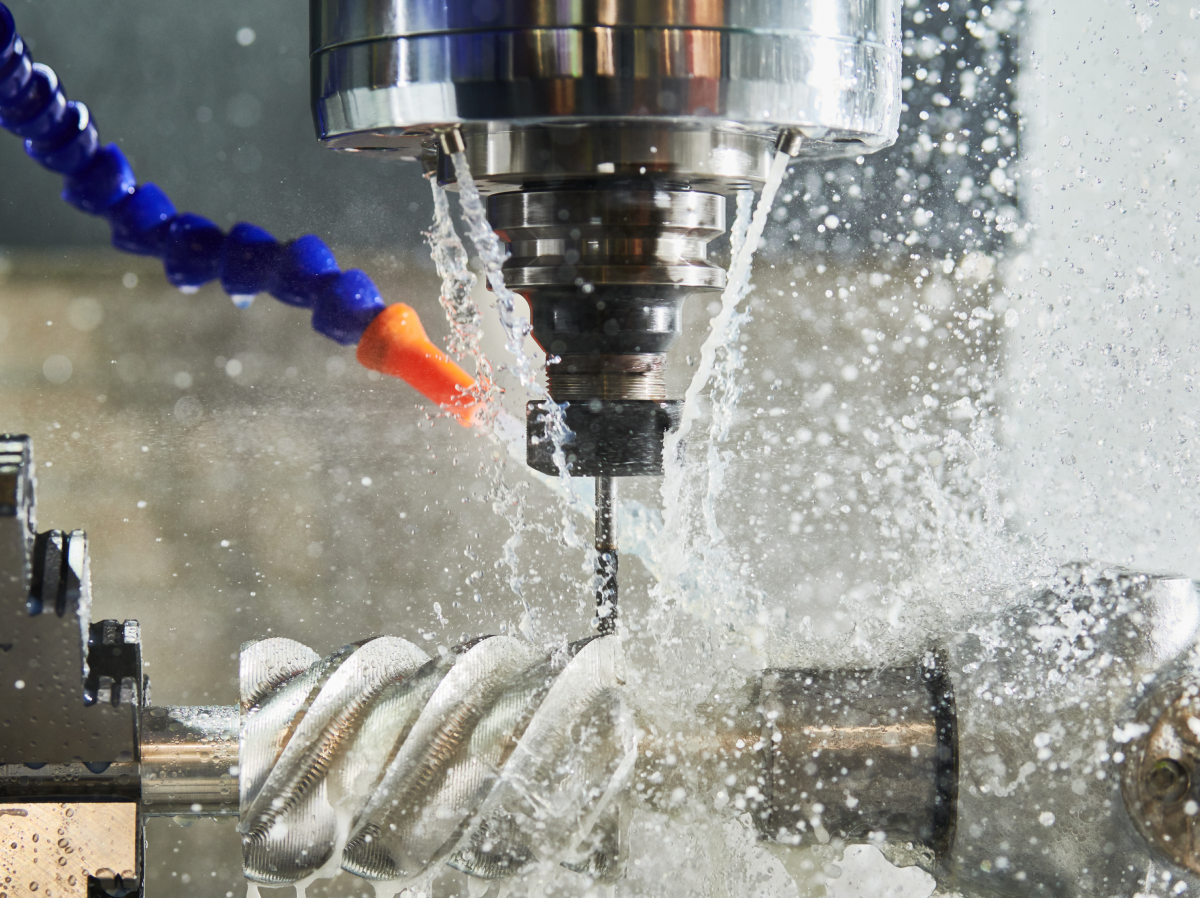
- Through-spindle coolant and chip management: Essential for deep-hole drilling, stainless, and keeping the machine cutting instead of waiting on cleanup.
- Control: Look for strong high-speed machining capability, a proven post for your CAM system, and an interface your operators can learn quickly.
- Automation readiness: An automatic door or robot interface protects your ability to add robotic loading or unattended running later.
Measure Cost per Part, Not Cost per Machine
Budget for tooling, workholding, rigging, training, and software options, then judge the decision on cost per part. A machine that costs more but cuts cycle time or runs unattended often produces the lower cost per part.
Support belongs in that math. Every hour of downtime costs capacity and delivery performance, so evaluate local factory-trained service, parts availability, and applications support as seriously as the machine itself.
Prepare Your Facility
Confirm voltage, phase, and amperage, plus clean, dry compressed air. Check foundation requirements for larger or high-accuracy machines, verify rigging clearances, and keep the machine away from overhead doors and heaters that cause temperature swings.
Talk to Someone Who Has Done This Before
Whether it’s your first VMC or an automated 5-axis cell, our machine sales, application engineering, service, and training teams can review your parts, compare configurations, and build a realistic picture of cycle time and total cost before you invest.